
How Paint Interacts with Other Materials: Wood, Brick, Stone, Tile, and Sheetrock
SUMMARY: Paint interacts differently with materials like wood, brick, stone, tile, and sheetrock, making proper preparation and product selection essential for long-lasting results. Porosity, surface texture, and material composition all affect how paint adheres and performs over time. Understanding these differences helps homeowners make informed decisions when planning larger painting projects across multiple surfaces in the home.
—
Paint plays an important role in protecting surfaces, extending their lifespan, and improving how spaces look and function. However, paint does not behave the same way on every material. Wood, brick, stone, tile, and metal each have unique properties that affect adhesion, durability, and long-term performance. Understanding how paint interacts with these surfaces can help homeowners make informed decisions when planning larger home updates.
T. Whitaker Painting has worked with all of these materials for decades, and experience has shown that proper preparation and the right products are essential for consistent results.
Painting Wood Surfaces
Wood is one of the most common materials found throughout the home, from trim and doors to cabinets and siding. Because wood is porous, it absorbs paint readily, which can be an advantage when the surface is properly prepared. Sanding is critical to smooth the grain and remove previous coatings that may interfere with adhesion.
Different types of wood can react differently to paint. Hardwoods and softwoods absorb paint at varying rates, which is why primer selection matters. Painted wood surfaces benefit from coatings designed to flex slightly, allowing the paint to move with the material over time rather than cracking or peeling.
How Paint Performs on Brick
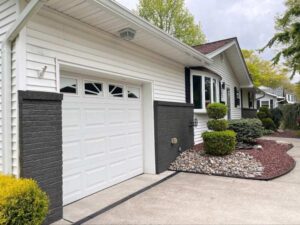
Brick is durable but highly porous, which makes painting it more complex than many homeowners expect. Before paint is applied, brick must be evaluated to ensure it is in good condition. Any existing coatings or residue can prevent paint from bonding properly.
Paint on brick does not sit on the surface the same way it does on wood. Instead, it penetrates into the brick’s pores. This means the paint must be breathable while still offering protection. Using the wrong type of paint can lead to premature failure, which is why product selection is just as important as surface preparation.
HOW TO FRESHEN UP YOUR HOME’S LOOK WITH A NEW COAT OF EXTERIOR PAINT
Painting Natural Stone
Stone surfaces vary widely depending on the type of stone used. Some stone is dense and smooth, while other varieties are more porous and textured. Paint interacts with stone differently than with brick because many stone surfaces resist absorption.
Not all stone surfaces are ideal candidates for paint, so evaluating the material beforehand is critical. When done correctly, paint can provide a uniform appearance without compromising the integrity of the stone.
Tile and Painted Finishes
Tile is designed to resist moisture and stains, which also makes it resistant to paint. Glazed tile, in particular, has a slick surface that requires specialized preparation. Degreasing, light abrasion, and bonding primers help paint adhere where it otherwise would not.
Painted tile is often used in areas like backsplashes or bathrooms where a full replacement may not be practical. Using coatings specifically formulated for tile helps improve durability and reduces the risk of chipping. Proper curing time is also essential so the paint can fully bond to the tile surface.
BEYOND COLOR: THE UNDERRATED PAINT DECISIONS THAT TRANSFORM A HOME
A Note on Sheetrock and Interior Walls
Sheetrock, also known as drywall, is the most common interior surface in most homes, and it behaves differently than materials like wood, brick, or tile. One common misconception is that primer is always required before painting walls. In reality, primer is typically only necessary on bare sheetrock, such as in new construction or after major repairs, because it helps seal the surface and creates an even base for paint.
When repainting previously painted walls, primer is usually not needed as long as the existing surface is clean and in good condition. However, if there are stains, lingering odors, or repaired areas, a specialized stain- or odor-blocking primer may be recommended to prevent those issues from showing through the new paint. Understanding when primer is truly needed helps homeowners avoid unnecessary steps while still achieving consistent, long-lasting results.
Why Material-Specific Painting Matters
Each material responds differently to paint based on its texture, porosity, and composition. Applying the same approach across all surfaces can result in uneven finishes or reduced longevity. That is why we follow a structured painting process from setup to cleanup, with attention given to the specific needs of each material.
We believe homeowners benefit from understanding these differences before starting a project. Choosing the right paint, primer, and preparation method ensures better results and fewer issues down the line.
With decades of experience, we approach every surface with care, consistency, and attention to detail. From wood and brick to stone, tile, and metal, our goal is to provide painted finishes that perform as intended and hold up over time.
Plan Your Multi-Surface Painting Project with T. Whitaker
If your home includes a mix of wood, brick, stone, tile, or metal surfaces, working with a team that understands how paint behaves on each material can make all the difference. We take a thoughtful, material-specific approach to every project, following a proven process from preparation through clean-up to ensure reliable results. Request a quote and feel confident knowing your painting project is in experienced hands today.